
Few works in science fiction have shaped their genre as profoundly as Ghost in the Shell. Beginning as a manga by Masamune Shirow in 1989, the franchise has become a cornerstone of cyberpunk storytelling, exploring timeless themes of identity, consciousness, and the fusion of humanity with technology. As a new anime adaptation is set to premiere in 2026, fans around the world are once again poised to dive into the world of Major Motoko Kusanagi and Section 9 with fresh anticipation.
Origins and Impact of the Manga
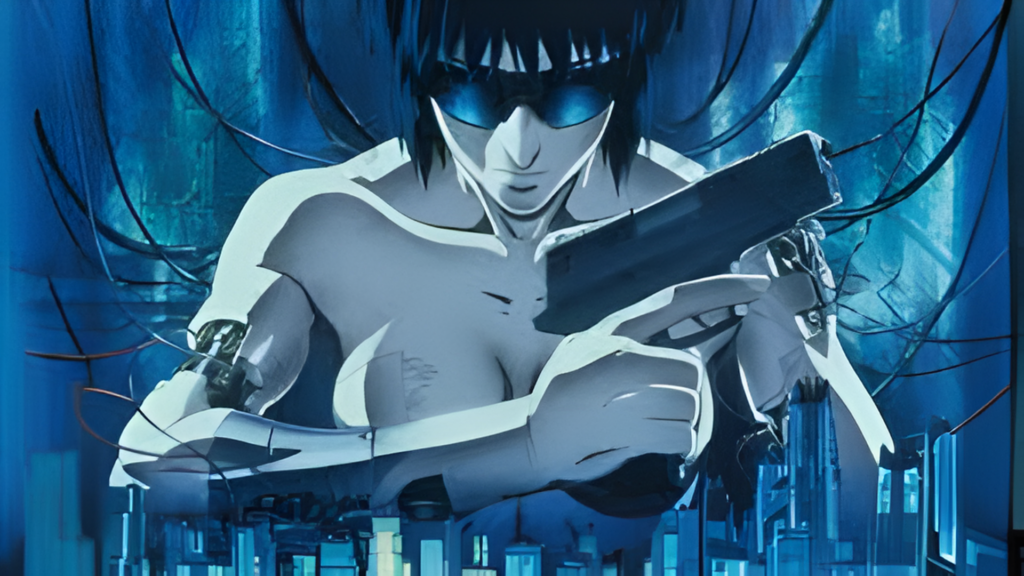
Ghost in the Shell started as a manga series written and illustrated by Masamune Shirow. Serialized beginning in 1989, it introduced a future where cybernetic enhancements and artificial intelligence were part of everyday life. At its core was Motoko Kusanagi, a full-body cyborg major leading an elite government security unit tasked with combating cybercrime and terrorism. The manga balanced action with philosophical depth, asking questions about the nature of self, consciousness, and what it means to be human in an era when minds can be digitized and bodies replaced.
These themes — especially the interplay between human “ghost” (mind or soul) and “shell” (cybernetic body) — laid the foundation for the cyberpunk genre to evolve beyond dystopian noir into more contemplative science fiction that still resonated with both Eastern and Western audiences.
The Rise of Anime and Cyberpunk Mastery
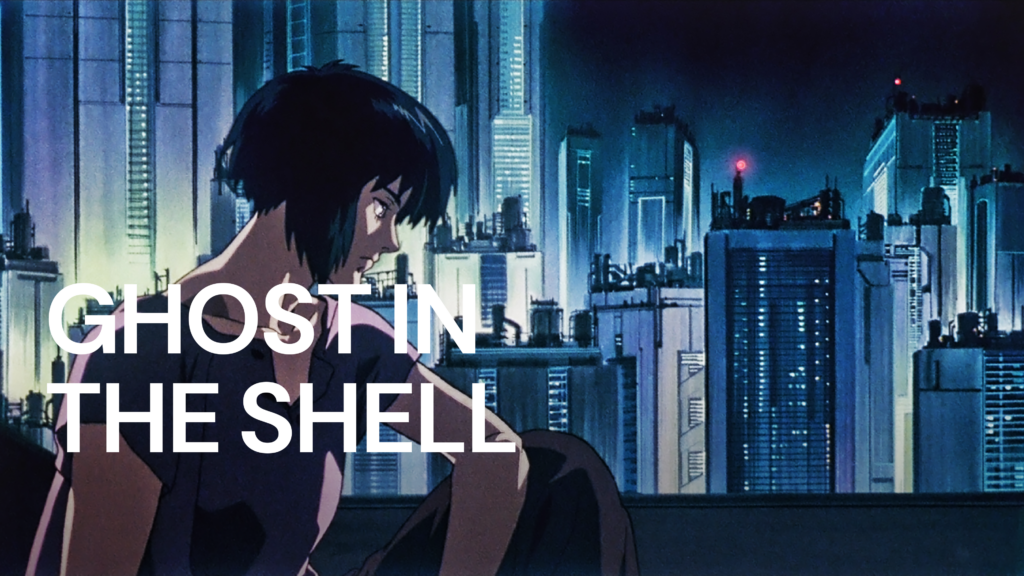
The franchise’s influence expanded dramatically with the release of the 1995 anime film directed by Mamoru Oshii. This adaptation became a milestone in animation and sci-fi cinema, distinguished by its stunning visuals, haunting score, and themes that transcended entertainment to provoke philosophical reflection. Set in a hyper-connected future where intelligence can be hacked and individuality rewritten, the film questions whether artificial beings can achieve self-awareness.
The film’s impact extended far beyond Japan. Its aesthetic and philosophical depth inspired global media, including Hollywood productions like The Matrix, whose visual motifs and exploration of simulated reality echo Ghost in the Shell’s cyberpunk sensibilities.
Expanding the Universe Through TV and Sequels
Following the success of the 1995 film, Ghost in the Shell branched into television with Stand Alone Complex and other animated series. These adaptations expanded Shirow’s universe with deeper narratives that examined cybercrime, political corruption, and social issues in a futuristic world. They allowed the series to develop its characters — especially Motoko, Batou, and Togusa — beyond action set pieces into more nuanced portrayals of law enforcement in a digital age.
In 2004, Ghost in the Shell 2: Innocence continued the philosophical lineage, exploring questions of humanity and emotion through a standalone sequel.
Global Recognition and Hollywood Interpretations
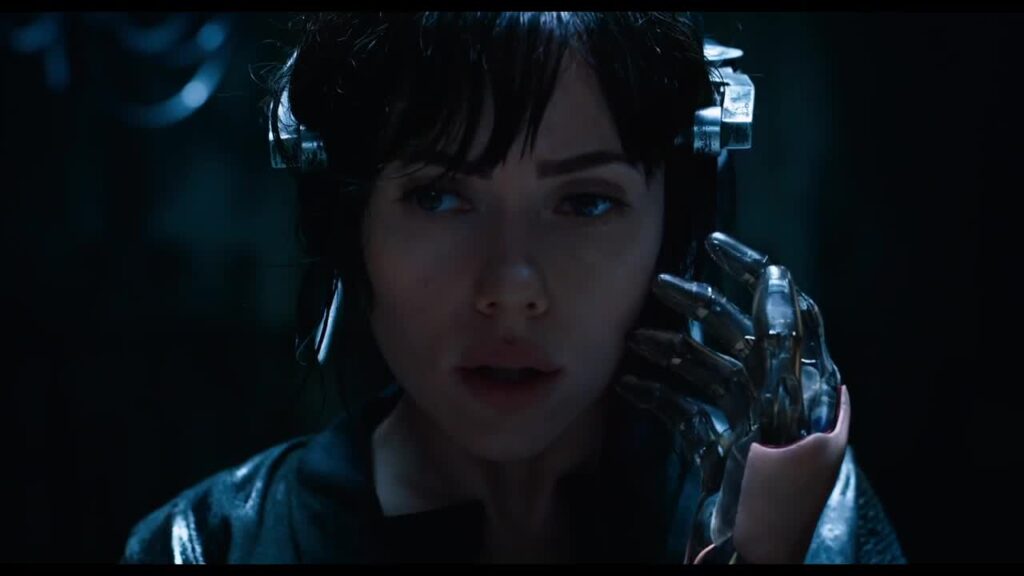
The franchise’s prominence even reached Hollywood with the 2017 live-action adaptation starring Scarlett Johansson. Although it received mixed reviews due to its approach to cultural themes and narrative execution, the film demonstrated how Ghost in the Shell had become a global cultural touchstone — a work recognized well beyond anime fandom.
Ghost in the Shell’s Influence on Cyberpunk
What sets Ghost in the Shell apart within cyberpunk is its philosophical depth. While traditional cyberpunk often depicts dystopian futures dominated by corporations and decay, Ghost in the Shell probes questions of identity and selfhood in a world where mind and machine coexist. Its impact is visible across media, from video games like Cyberpunk 2077 to thematic echoes in science fiction films that explore artificial intelligence and human evolution.
In 2025, it was officially confirmed that a new Ghost in the Shell anime adaptation is in production and scheduled to debut in 2026. This series will be produced by Science SARU, an acclaimed studio known for its creative storytelling and visual innovation. Early teasers reveal updated character designs and visual motifs that honor Shirow’s original concepts while bringing contemporary animation techniques to the fore.
The announcement has generated global excitement, offering fans the promise of renewed exploration into the cybernetic world of Section 9. While plot details remain limited, early promotional material highlights the return of Major Motoko Kusanagi as the focal point of a narrative that balances philosophical inquiry with thrilling cybernetic action.
Why Ghost in the Shell Still Matters
More than 35 years after its debut, Ghost in the Shell remains relevant because it does more than showcase futuristic technology — it questions what it means to be human in an age where technology and consciousness intertwine. Its influence on cyberpunk aesthetics and its enduring themes continue to resonate with audiences navigating real-world debates about AI, identity, and digital existence.
As we anticipate the 2026 anime, the legacy of Ghost in the Shell remains a powerful testament to how storytelling can shape genres, provoke deep thought, and inspire generations of creators and fans alike.
👉 If you are a fan of Ghost in the Shell, you can explore and purchase merchandise inspired by the series at Official Ghost in the Shell Merchandise: ghostintheshellmerch.com
